

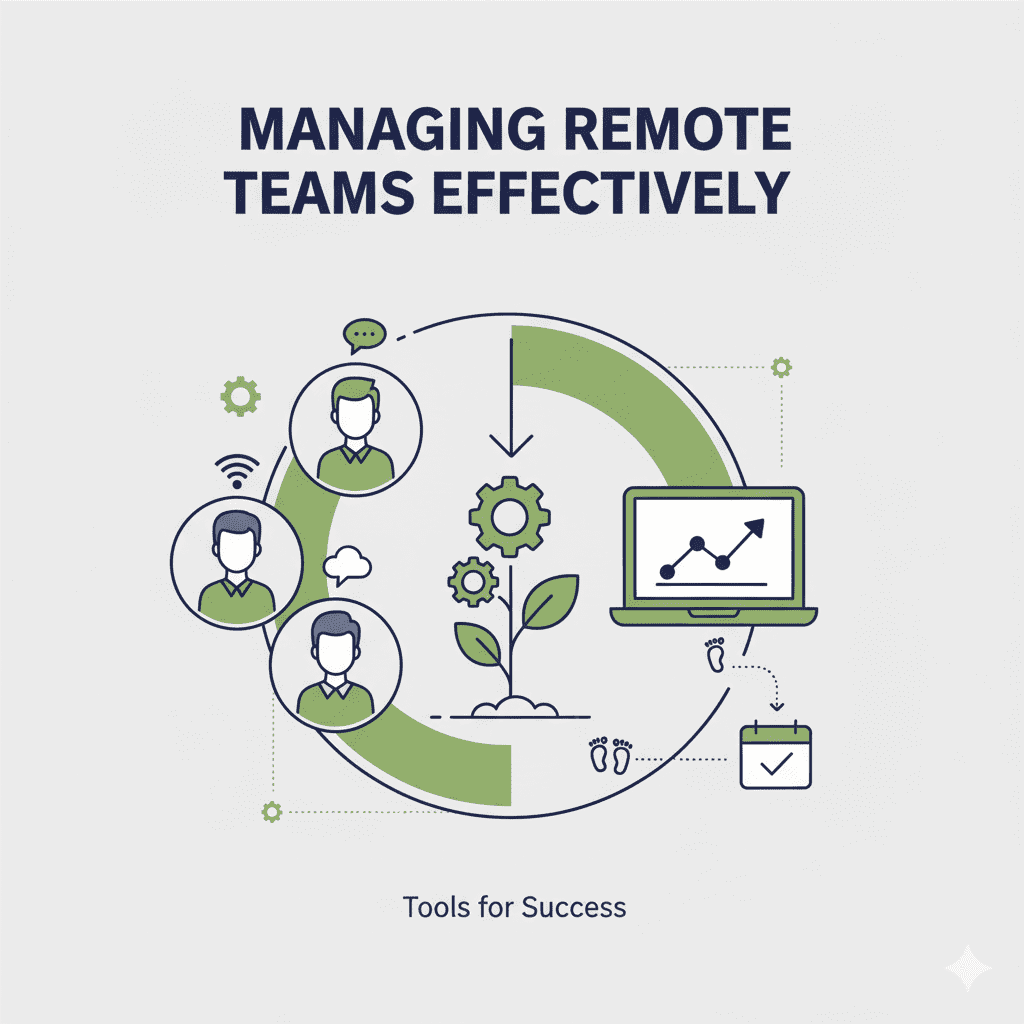
We’ve all been there: that video call where half the team is on mute, someone’s dog is barking, and the meeting ends with everyone more confused than when they started. In today’s world, virtual communication isn’t just a convenience—it’s the backbone of how we work. Yet, many teams struggle with disconnection, fatigue, and inefficiency, not because the technology fails, but because we haven’t mastered the human principles behind it.
True virtual mastery isn’t about knowing every feature of a platform; it’s about intentionally designing interactions that are clear, engaging, and inclusive. It requires moving beyond simple etiquette to address the psychological and structural challenges of remote work. This guide will walk you through the essential best practices and delve into the often-overlooked strategies that transform virtual communication from a source of frustration into a driver of productivity and connection.
The Foundation: Core Virtual Communication Practices
Most teams understand the basics, but consistency is key. These are the non-negotiable standards for effective digital interaction.
- Harness the Power of Video (Strategically): Use video to build trust and rapport, especially for kick-offs, brainstorming, and one-on-ones. However, be mindful—not every check-in requires a camera-on grind. Default to video for relationship-building meetings and allow audio-only for focused, agenda-driven sessions to combat fatigue.
- Master the Pre-Meeting Ritual: Every virtual meeting must have a clear objective and a distributed agenda sent in advance. If there’s no objective, cancel the meeting. This allows attendees to prepare, ensuring the discussion is focused and productive from the first minute.
- Engineer Engagement: Facilitators must actively draw people in. This means directly asking for input by name, using polls and chat features, and designating a “lead listener” to track questions. Passive listening leads to disengagement.
- Match the Tool to the Task: Not every message deserves a meeting. Use a simple flowchart: Quick question/update? → Instant message. Need a thoughtful answer or decision? → Email or documented thread. Complex discussion or relationship building? → Scheduled video call. Project tracking? → Centralized collaboration platform.
- Command Your Environment: Minimize distractions by using a “Do Not Disturb” setting, choosing a neutral, professional background (virtual or real), and investing in a decent microphone. Audio quality is often more important than video quality.
- Set Clear Communication Protocols: Establish team-wide norms. What are the expected response times for Slack (e.g., within 2 hours) vs. email (e.g., within 24 hours)? What do statuses like “Away” or “Deep Focus” mean? This reduces anxiety and sets respectful boundaries.
Bridging the Gap: Advanced Strategies for Deeper Impact
While the basics prevent failure, these advanced considerations are what lead to卓越 (excellence) and inclusivity.
1. Addressing the Psychological Toll: “Zoom Fatigue” and Isolation
Virtual communication is cognitively exhausting due to intense eye contact, reduced non-verbal cues, and the constant “self-view.” To mitigate this:
- Mandate Camera-Free Breaks: Encourage “audio-only” walking meetings or allow parts of longer meetings to be off-camera.
- Normalize “Focus Time”: Leaders should visibly block and respect uninterrupted time for deep work, signaling that not every moment must be “on.”
- Create Informal Connection Spaces: Replicate the office watercooler with dedicated, non-work Slack channels or optional virtual coffee chats to combat isolation.
2. Navigating Global and Cultural Nuances
A 9 AM meeting is not the same for everyone. Leading a global team requires hyper-awareness.
- Rotate “Painful” Meeting Times: If your team is spread across time zones, rotate meeting schedules so the same people aren’t always inconvenienced.
- Clarify Communication Styles: Be explicit about expectations. Is it okay to interrupt with a question, or should you use the “raise hand” feature? Directness varies by culture; make your team’s norms clear.
- Default to Asynchronous First: Where possible, use recorded videos (Loom, etc.) and shared documents for updates, allowing people across time zones to contribute on their own schedule.
3. Prioritizing Accessibility and Inclusion
An effective virtual environment is an accessible one.
- Always Use Auto-Generated Captions on platforms like Zoom and Teams. This aids non-native speakers, those in noisy environments, and team members who are deaf or hard of hearing.
- Describe Visuals: When sharing a screen or chart, verbally describe what’s on the slide (“This graph shows a 20% increase in Q3, represented by the blue bar”).
- Provide Multiple Participation Avenues: Some people thrive speaking up; others excel in chat. Solicit feedback both verbally and in writing to capture all voices.
4. Measuring What Matters: Effectiveness and ROI
How do you know your communication strategy is working? Track these metrics:
- Meeting Health Metrics: Look at decline rates, punctuality, and participant talk time balance. Are the right people engaged?
- Project Velocity: Are decisions made faster with clearer documentation? Is there less rework due to miscommunication?
- Employee Sentiment: Use regular pulse surveys with questions like, “Do you feel informed?” and “Do virtual meetings feel productive?”
5. The Leader’s Critical Role: Modeling and Enforcing
Culture trickles down from the top. Leaders must be the chief role models.
- Demonstrate the Standards: They must be the ones with flawless audio, focused attention (no multitasking!), and concise speaking points.
- Protect the Team’s Time: Leaders should ruthlessly evaluate meeting necessity, trim invite lists, and enforce time boundaries.
- Facilitate, Don’t Dominate: In meetings, their job is to guide conversation, ensure equitable participation, and synthesize conclusions, not to hold the floor the entire time.
Conclusion: Building an Intentional Communication Culture
Mastering virtual communication is an ongoing process of adaptation and intentional design. It begins with rigorously implementing the foundational practices that prevent chaos but matures when you address the human layer—the fatigue, the cultural nuances, the need for inclusion, and the clarity of leadership.
Move your team from simply using communication tools to crafting communication experiences. Start by auditing one element: perhaps your meeting culture or your accessibility standards. The goal is to create a virtual space where clarity replaces confusion, connection transcends distance, and every team member has the tools and psychological safety to contribute their best work.
Which of these gaps—be it “Zoom fatigue” on your team or unclear global protocols—is costing you the most in productivity and morale today?

About skosanal95@gmail.com
Professional contributor at MN Psychological Consulting, specializing in organizational health and human potential.